Figuring out the right exercise routine for a senior dog with arthritis isn’t always straightforward. I’ve been there—watching my old Labrador, Max, try to keep up on walks, only to see him limp later. If you’re wondering how to keep your aging pup active without causing pain, you’re not alone. Here’s what I’ve learned, both from experience and from working with veterinary pros.

Understanding Your Senior Dog’s Changing Needs
As dogs age, their bodies and energy levels shift. What worked for your dog at three years old probably won’t suit them at twelve. I used to think Max just needed shorter walks, but it’s more nuanced than that.
Life Stages and Exercise
Puppies are all about bursts of energy and naps. Their joints and muscles are still developing, so too much exercise can actually do harm. Adult dogs hit their stride—they’re usually at their most active. But as dogs enter their senior years, their tolerance for exercise drops. It’s a lot like humans: we might run marathons in our twenties, but later on, a brisk walk or gentle yoga feels just right.
The Natural Progression
It’s normal for older dogs to slow down. Their joints get stiffer, and their muscles lose some strength. That doesn’t mean they should stop moving—it just means we need to adjust how we help them stay active.
Addressing Age-Related Issues
There are two big things to watch for in senior dogs: muscle loss and joint pain. Both can sneak up on you if you’re not paying close attention.
Sarcopenia: What It Means for Your Dog
Sarcopenia is the gradual loss of muscle mass that comes with age. I first noticed it when Max’s back legs started looking thinner. It’s common in older dogs, especially in their hindquarters. Less muscle means less support for their joints, which can make arthritis worse.
Osteoarthritis and Joint Health
Osteoarthritis is the big one. It’s basically the breakdown of cartilage in the joints, leading to inflammation and pain. You might notice your dog limping, slowing down, or struggling to get up after a nap. According to Dr. Hannah Capon, founder of Canine Arthritis Management, “Early recognition and proactive management of arthritis can dramatically improve a dog’s quality of life.” Canine Arthritis Management
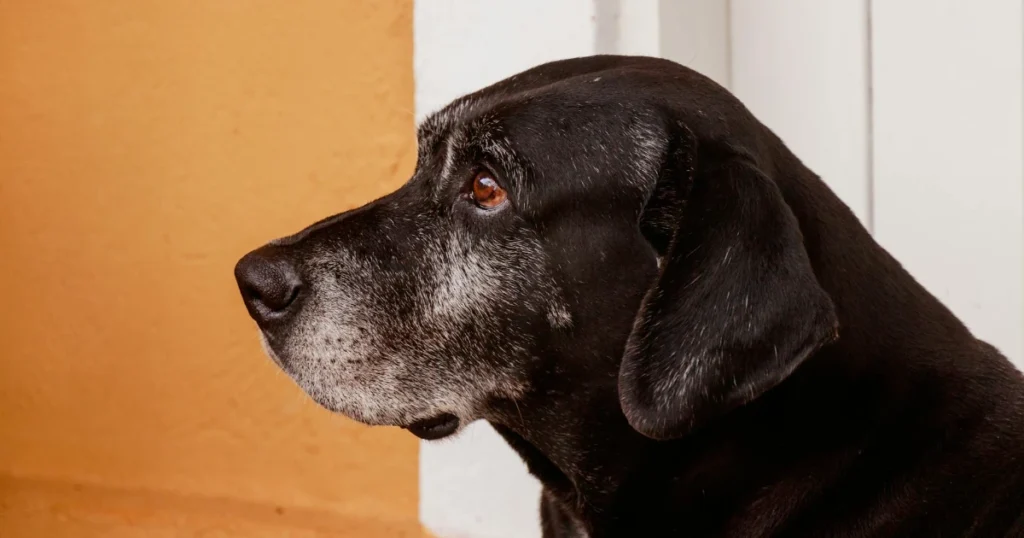
The Goldilocks Formula: Not Too Much, Not Too Little
Here’s where most people mess up: they either push their dog too hard or don’t exercise them enough. The sweet spot is somewhere in the middle. I call it the Goldilocks formula—just right for your dog’s age and condition.
Why Overexertion Hurts
Too much exercise can leave your dog sore, limping, or even refusing to move the next day. I learned this the hard way after a long hike left Max barely able to get off his bed. Overdoing it can trigger pain flares and set back progress.
Why Too Little Isn’t Good Either
On the flip side, not moving enough speeds up muscle loss. That’s when you’ll see your dog getting weaker, struggling with stairs, or losing interest in play. The goal is to keep them moving—just not to exhaustion.
Tip 1: Monitor Exercise Quality, Not Just Quantity
It’s tempting to focus on minutes or miles, but quality matters more. I started tracking not just how far Max walked, but how he moved. Was he lagging behind? Did he start strong but fade halfway through?
How to Track Distance and Duration
Use your phone or a simple notepad to jot down how long and how far you walk. But don’t get hung up on numbers—watch your dog’s body language. If they’re moving well, you’re on the right track.
What to Watch For
- Slowing down or stopping mid-walk
- Panting more than usual
- Limping or favoring a leg
- Dragging hind legs
- Sitting or lying down unexpectedly
If you notice any of these, it’s time to adjust the routine. Sometimes, just shortening the walk or adding more rest breaks makes a huge difference.
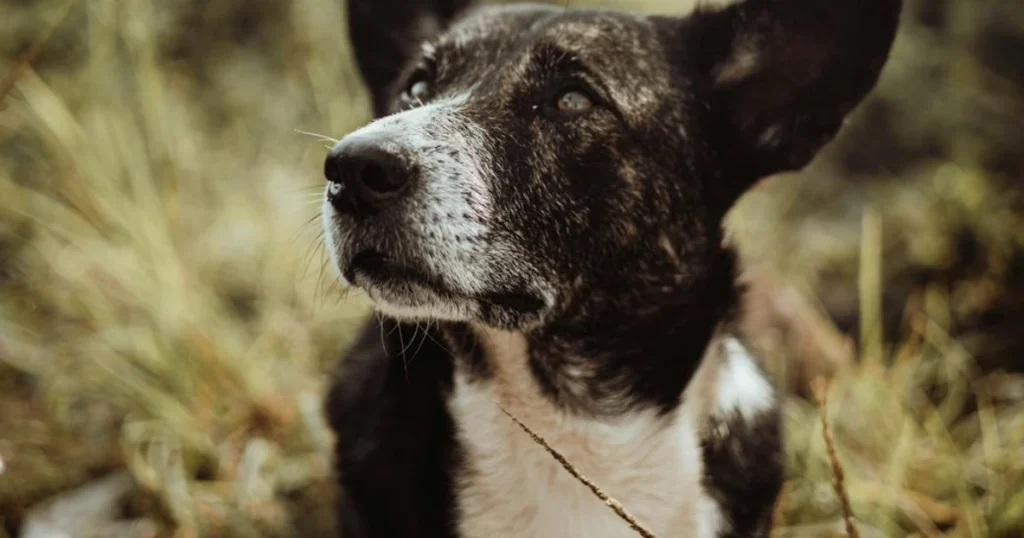
Tip 2: Adjust Intensity Based on Daily Condition
Some days, Max was raring to go. Other days, he’d barely make it around the block. That’s normal. Arthritis pain can fluctuate with weather, activity, or even how much your dog slept the night before.
Be flexible. If your dog seems stiff or reluctant, opt for a shorter, slower walk. On good days, you can go a bit farther—but always err on the side of caution.
Tip 3: Incorporate Low-Impact Activities
Swimming was a game-changer for Max. It let him exercise without putting weight on sore joints. If you have access to a dog-friendly pool or calm lake, give it a try. Other great options:
- Gentle leash walks on soft surfaces (grass, dirt trails)
- Short, frequent play sessions indoors
- Simple nose work or puzzle games for mental stimulation
Mixing things up keeps your dog engaged and helps prevent boredom.
Tip 4: Reflect After Every Exercise Session
Here’s something I wish I’d started sooner: checking in on Max a few hours after exercise. Sometimes, he seemed fine during the walk but would be stiff or restless that evening. Dogs are experts at hiding pain, especially when they’re excited to be outside.
After each walk or play session, observe your dog for signs of discomfort. Are they licking their joints? Struggling to get up? Acting withdrawn? If so, scale back next time.
Tip 5: Consult Your Vet and Use Professional Resources
Every dog is different. What works for one might not work for another. Regular check-ins with your vet can help you fine-tune your dog’s exercise plan. Ask about supplements, pain relief options, or physical therapy. There are some fantastic resources out there, like the AKC’s guide to arthritis in dogs and the Ortho Dog blog on canine arthritis exercise.

Conclusion: Finding What Works for Your Dog
There’s no universal formula. Even with the same dog, things can change day to day. The key is to stay observant, flexible, and willing to adjust. For Max, the right mix was shorter walks, more swimming, and lots of rest. That actually surprised me—I thought he’d need more exercise, not less, to stay healthy. But once I started listening to his cues, he was happier and more mobile.
Try these tips, keep a close eye on your dog, and don’t be afraid to tweak the plan. Your senior dog can still enjoy an active, comfortable life—even with arthritis.
FAQs: Exercising Senior Dogs with Arthritis
- How much exercise should a senior dog with arthritis get?
- It depends on your dog’s condition, but most do best with short, gentle walks and low-impact activities. Monitor their comfort and adjust as needed.
- What are the best exercises for arthritic dogs?
- Swimming, gentle leash walks, and indoor play are excellent. Avoid high-impact activities like jumping or rough play.
- How do I know if my dog is in pain after exercise?
- Watch for limping, stiffness, reluctance to move, or changes in mood. Pain can show up hours after activity, so check in later in the day.
- Should I give supplements or medication for arthritis?
- Always consult your vet first. Many dogs benefit from joint supplements or prescribed pain relief, but professional guidance is key.
- Can exercise make arthritis worse?
- Too much or the wrong type of exercise can worsen arthritis pain. Focus on quality, low-impact movement, and adjust based on your dog’s response.